
URINARY INCONTINENCE (UI)
UI creates barriers between dogs and their owners
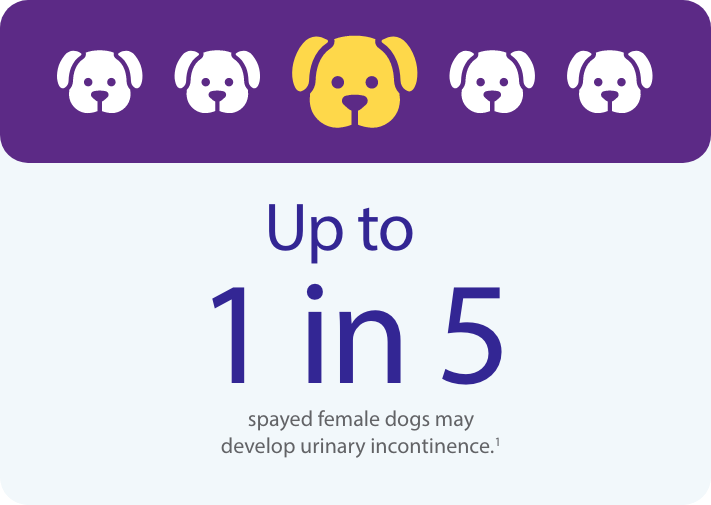
Inappropriate urination is a common problem for dogs, especially as they age. Spayed female dogs tend to be more prone to urinary incontinence. Urinary incontinence (UI) due to urethral sphincter hypotonus causes dogs to urinate uncontrollably while they are sleeping or resting, which can cause worry for both dogs and their owners.
Signs of urinary incontinence include:
- Dripping, leaking urine
- Wet spots where dog sleeps
- Excessive licking of genitals
- Red, irritated skin in the genital area
- Inappropriate urination indoors
Medical or behavioral?
In most cases, repeated accidents should prompt a veterinarian visit. To help you narrow down whether your dog is misbehaving or has a medical issue, click through the four scenarios below.
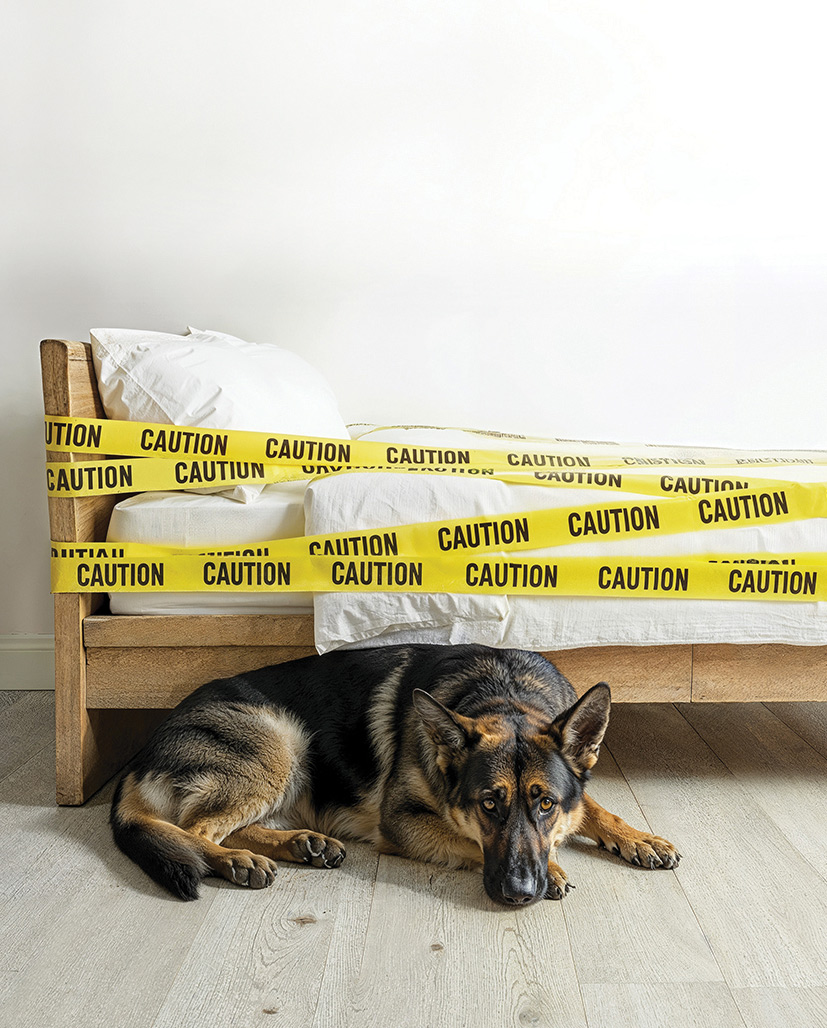
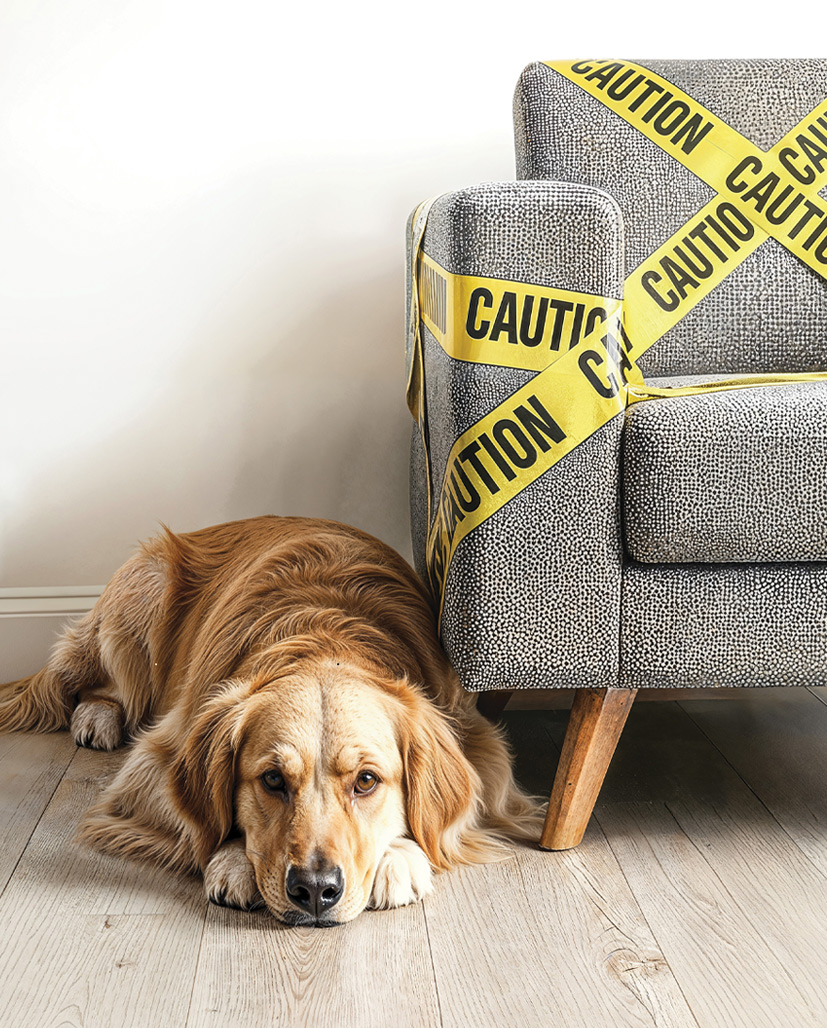
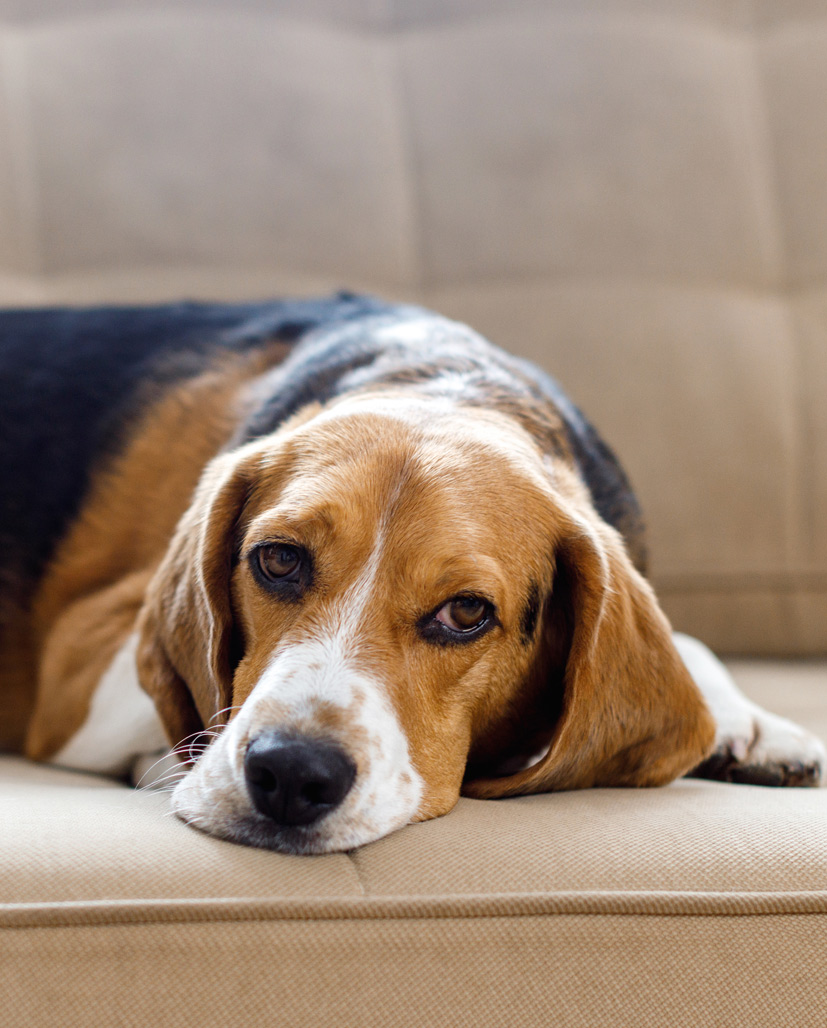
Who’s to blame for repeated accidents?
Additional resources


Urinary health issues
Urinary problems can happen due to both medical and behavioral issues. Understanding the cause of urinary incontinence is an important step in finding the right treatment.

Urine leakage in spayed female dogs
This video addresses urinary incontinence and its treatment in female spayed dogs. Hear firsthand from pet owners who are experiencing a better relationship with their dogs.


Common urinary issues in senior dogs
Senior dogs with abnormal urinary tract signs require full diagnostic and clinical attention. This article discusses some of the issues, such as periuria, polyuria, orthopedic or neurologic, and cognition as well as the steps in properly diagnosing such issues in senior dogs.
Author: Gary P. Oswald, DVM, DACVIM (Int Med)

Urinary incontinence in the dog
This article focuses on two of the most common causes of urinary incontinence, including urethral sphincter mechanism incompetence (USMI), and functional urethral obstruction or detrusor urethral dyssynergia (DUD).
Author: Julie Byron, DVM, MS, DACVIM, The Ohio State University, College of Veterinary Medicine

Is PROIN ER right for my dog?
Since urinary incontinence may be new to you, here’s a helpful list of questions your veterinarian may ask to help in the diagnosis (along with performing tests like urine culture, blood tests, abdominal imaging, or ultrasound). Answering these questions before the first appointment could be the first step in managing your dog’s leaking issues.